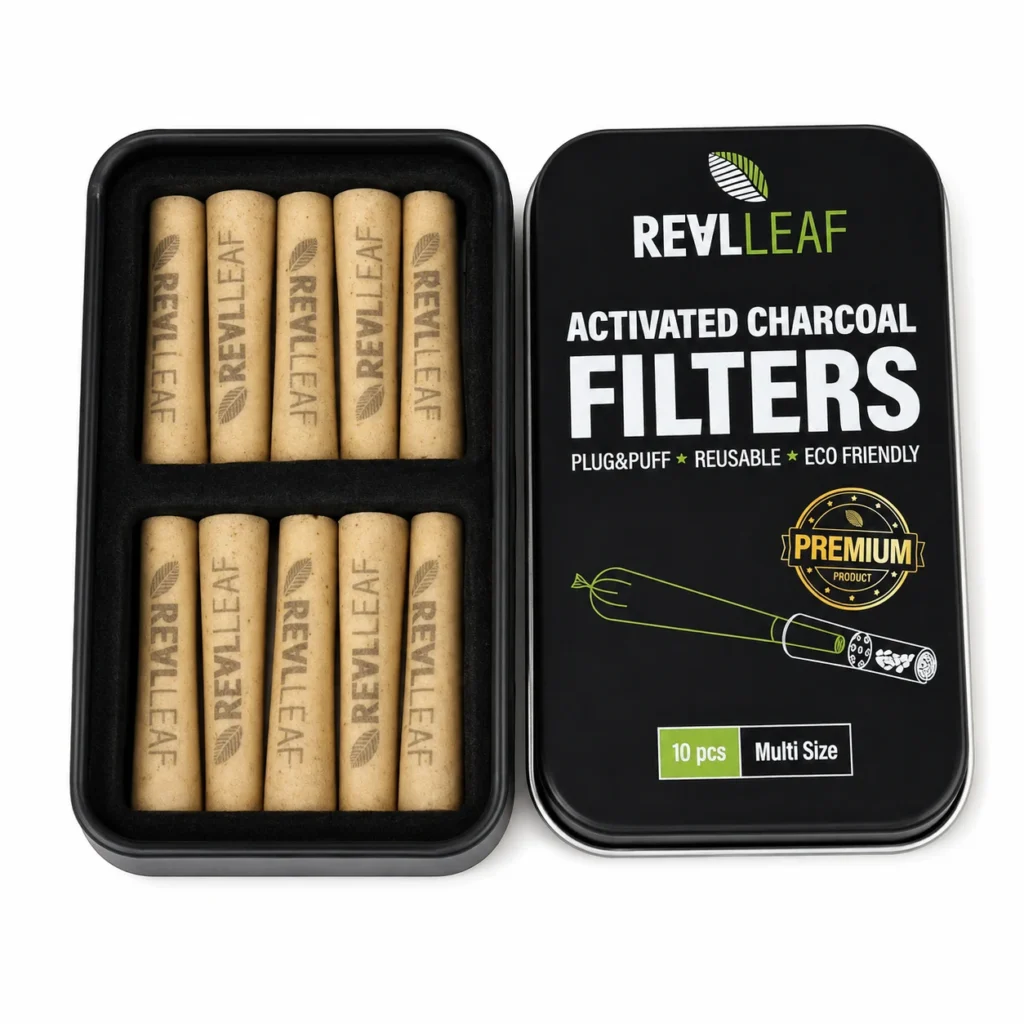
Cigarettes without nicotine and tar do exist: in the form of smokable herbal cigarettes.
Get an overview here.
What is nicotine?
Nicotine is a stimulating substance that speeds up signal transmission between the brain and the body.
Nicotine is a highly addictive chemical found in the tobacco plant.
It is the main psychoactive ingredient in tobacco products.
In this article, we focus on the facts about nicotine and nicotine and how it is discussed when it is consumed through tobacco use.
Tar and carbon monoxide, a toxic gas, are also released when tobacco is burned, as happens during smoking.
Products such as cigarettes, cigars, pipe tobacco, chewing tobacco, moist and dry snuff, and the dried leaves of the tobacco plant all contain nicotine.
Electronic cigarettes, also known as e-cigarettes, do not contain dried tobacco leaves, but they can still contain nicotine.

The effects of nicotine
There is no safe level of nicotine use.
Nicotine affects everyone differently, depending on:
– size, weight, and health
– whether the person is used to consuming it
– whether other medications were taken at the same time
– the amount consumed
– the strength of the tobacco and the amount contained in the product.
The following effects may occur in people who do not normally smoke tobacco products:
- dizziness
- headaches
- nausea
- abdominal cramps, possibly vomiting or weakness
Are there cigarettes without nicotine?
There are nicotine-free cigarettes, but do not confuse them with “safe” cigarettes. They are usually blends made from different herbs and/or other plant material.
Herbal cigarettes made from Damiana, lemongrass, mint, and other herbs are offered as nicotine-free alternatives to tobacco cigarettes.
Herbal or organic cigarettes are pre-rolled cigarettes filled with herbs such as basil, lemongrass, mint leaves, rose petals, green tea, and similar botanicals.
The herbs are blended in different ratios to change the flavor. They contain neither nicotine nor tobacco.
The meaning of tar
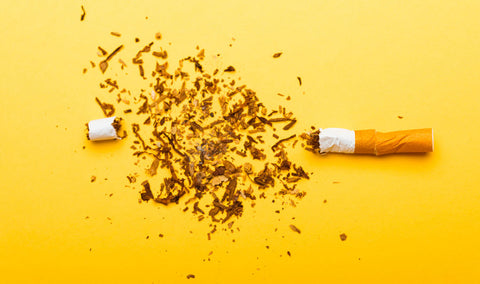
Tar is a chemical substance created when tobacco burns.
That means when a person smokes, they take in tar and other substances.
Tobacco tar is toxic, but cigarettes without tar: is that even possible?
Tar damages the mouth and lungs, affects the sensitivity of the taste buds, and can contribute to the development of cancer.
It is also obtained as a residue from various industrial distillation processes.
Tar contains most of the carcinogenic and otherwise harmful chemicals found in tobacco smoke.
Tar is a thick, sticky, dark substance with a strong odor and a viscous texture.
It is important to mention that tar is a mixture of different organic compounds, and their proportions and properties can vary.
There is not just one kind of tar.
Coal tar is one of the most commonly used resins.
It consists of phenols, nitrogen bases, and aromatic hydrocarbons such as naphthalene, xylene, and toluene.
Other types of tar are used for road sealing, waterproofing boats, treating health conditions such as psoriasis, and flavoring drinks or food preparations.

Effects of tar
The main effect is that tar can paralyze and eventually kill the cilia in the airways.
Cilia are tiny hair-like structures that line the windpipe.
They help trap pollutants.
When they are damaged, the toxins in tar can travel deeper into the lungs.
Some of these toxins are released when you exhale or cough, but some settle and remain in the lungs.
Over time, this can contribute to lung diseases such as emphysema, bronchitis, and lung cancer.
Tar does not affect only the lungs, however.
From there, toxins can enter the bloodstream and spread to other parts of the body.
Because smoke is drawn directly through the mouth, tar can also contribute to oral cancer.
Tar toxins can affect every organ in the body.
Alongside cancer, tar toxins in smokers can lead to yellow-brown staining on fingers and teeth, as well as the following health problems:
- diabetes
- gum disease
- heart disease
- infertility
Made with quality herbs such as marshmallow leaves, mint, and raspberry leaves, Real Leaf offers a smooth herbal aroma profile for rolling.
With an earthy, soft flavor and a 100% natural blend, Real Leaf gives you a plant-based tobacco alternative for mixing, rolling, and creating your own tobacco-free ritual.
Standout features of Real Leaf herbal blends:
- 100% plant-based blend
- Layered with other quality ingredients that create a sweet, delicate flavor and aroma
- Nicotine-free and formaldehyde-free before burning
- Burns evenly and is easy to roll into a joint

What changes when you remove tobacco from the ritual?
For smokers, it is no secret that nicotine and tar are harmful.
That is one reason some people choose herbal cigarettes for a tobacco-free ritual.
Herbal cigarettes are cigarettes without nicotine and tobacco, and they do not contain tobacco tar.
They are a type of cigarette made with a blend of flowers, herbs, and other natural ingredients.
Please note, however: when you smoke them, many of the same harmful chemicals created by combustion are produced, especially carbon monoxide.
If you smoke herbal cigarettes, they can be part of a personal tobacco-free switch.
Conclusion
Lower-tar and lower-nicotine products are often discussed in relation to smoking risk, but any smoked product still involves combustion and should be approached with care.
Explore our nicotine-free herbal cigarettes in the Real Leaf Online Shop.