You want to move away from smoking, but it just is not working? You are not alone. Tobacco contains the active compound nicotine, and nicotine is addictive. What many people do not realize is that relapse is often not only about nicotine, but even more about the habit. Here is why.
Nicotine withdrawal – what is it?
Anyone who has ever tried to get away from nicotine knows how difficult it can be. Many people are afraid of the symptoms that come with nicotine withdrawal. During withdrawal, the body also releases less of the feel-good hormone dopamine, which can contribute to withdrawal symptoms.
What far fewer people know: nicotine leaves the body after around 72 hours. After that, what often remains is the smoking habit itself. For the ritual side, a tobacco substitute can be one way to keep tobacco and nicotine out of the mix.

Nicotine leaves the body after around 72 hours
What are the symptoms of nicotine withdrawal?
When the body no longer gets nicotine in the amount it is used to, withdrawal symptoms can appear. These may include:
– Anxiety
– Low mood
– Irritability
– Hunger / appetite
– Nervousness
– Sleep problems
The side effects of nicotine withdrawal naturally vary from person to person. Your body has to readjust its hormone and metabolic balance. The first 72 hours are often the hardest. The full transition usually takes around one to three months.
Many people experience this phase as very difficult and reach for a cigarette again. According to one study, more than 95% of smokers relapse during this time.
If you skip cigarettes but still smoke cannabis regularly, tobacco can still complicate things. Cannabis is often mixed with tobacco, so the joint still contains nicotine. That can make the transition significantly harder.
A substitute product can be one practical route. Smoking cannabis with a tobacco substitute is one way to separate cannabis from nicotine.
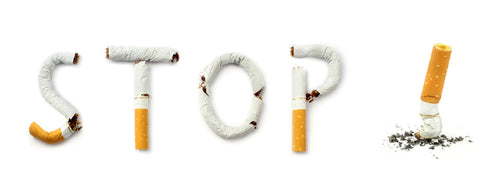
The nicotine content of a cigarette is around 12 mg
Options around the nicotine phase
The good news: there are many approaches for dealing with nicotine withdrawal.
The best-known aids include nicotine patches and nicotine gum. They may offer relief, but they do not address every part of the habit. They do not work for everyone, and some smokers relapse because nicotine is only one part of cigarette dependence.
Nicotine is not the only reason the transition feels hard. It is responsible for withdrawal symptoms, yes, but it is not solely responsible for the craving for a cigarette. That urge is not only physical; it is also psychological.
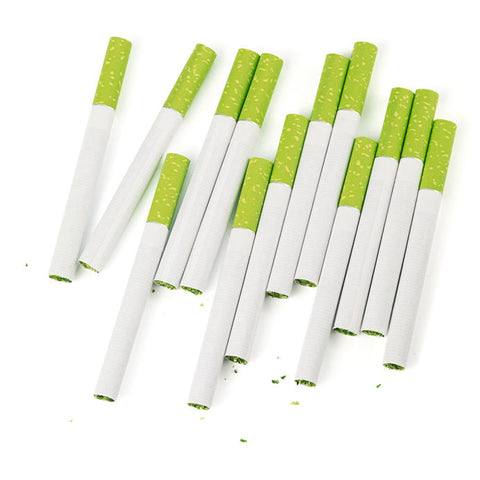
You are attached to the urge to smoke a cigarette. It is the ritual that is missing. For that ritual side, tobacco substitutes, herbal blends and cigarettes without nicotine can be relevant.

Move your ritual away from nicotine – with tobacco substitute.
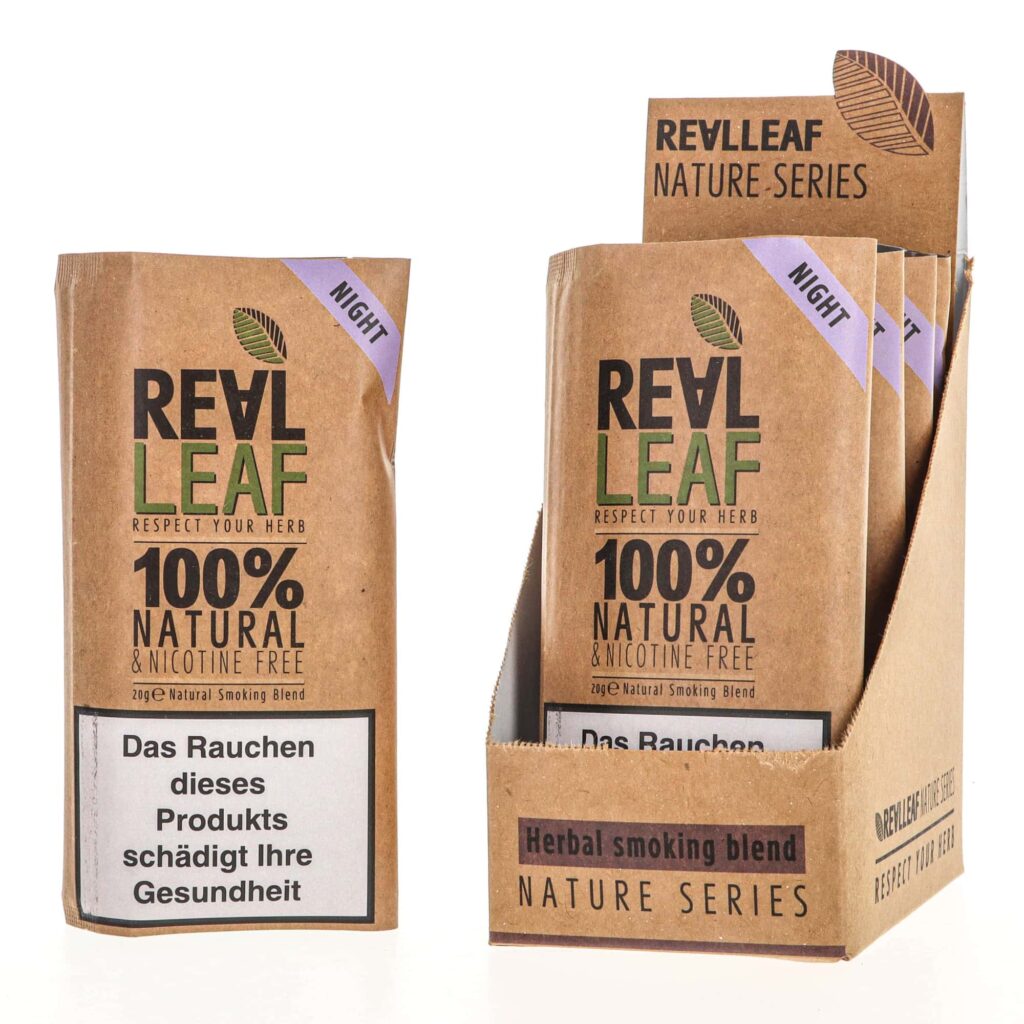
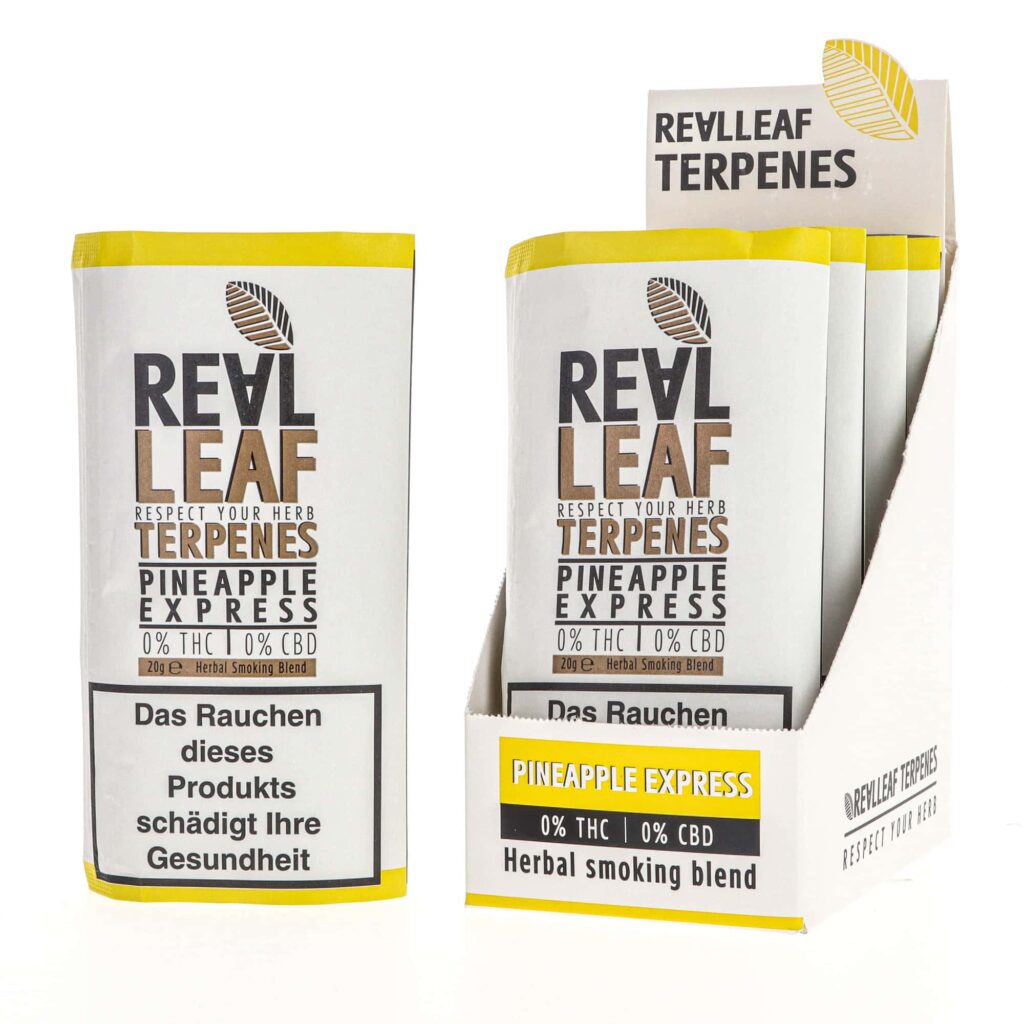
Nicotine-free tobacco substitute, for example from RealLeaf, is plant-based and made without tobacco additives. You can also mix nicotine-free herbal blends with your cannabis. Our 14-day plan for nicotine-free herbal cigarettes can guide a gradual tobacco-free switch.